Table stakes in 2027: the democratization of consumer agent integrations
The AI story of 2026 is undoubtedly agents. Models have finally gotten good enough that you can give them a list of "tools", and they will be able to productively utilize those tools to accomplish actions.
In order for agents to be useful on the internet, they need to be able to take actions, e.g., go book a reservation on Resy, or edit a Partiful event, or buy something on Amazon, etc. A fast-growing ecosystem of agent infra is emerging that makes these kinds of integrations super easy.
Composio handles OAuth for your agents across a wide range of tools like GitHub, Gmail, and YouTube.
Linq (https://linqapp.com/) makes it super easy to build on top of iMessage.
AI-native web crawlers like Firecrawl and Parallel make it easy to ingest content from webpages into whatever kind of database you would like. Creating a 1-click service to turn any e-comm site on the open web into a relational database of enriched product SKUs is relatively easy.
For those that are a little more latency tolerant, AI-native web browsers like Kernel make it easy to create automations that hook your agents into almost any user flow on the web, including those that are hidden behind paywalls. Need to support SMS-based auth? Easy - just hook up a phone number to your agent.
API extraction tools use coding agents to reverse engineer a website's network layer and create performant APIs out of thin air.
Proxy pools like BrightData make it nearly impossible for anyone on the web to distinguish your agent from a human user.
There are many APIs to mass scrape content platforms like TikTok, Pinterest, and Instagram for public content.
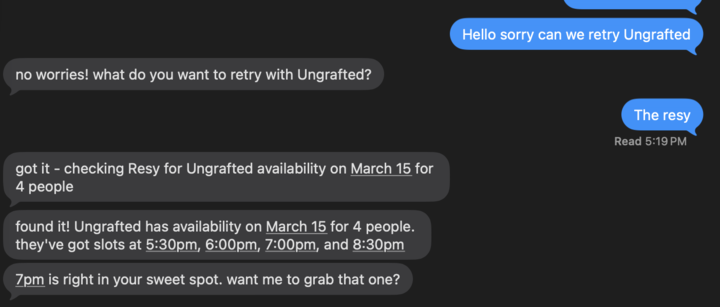
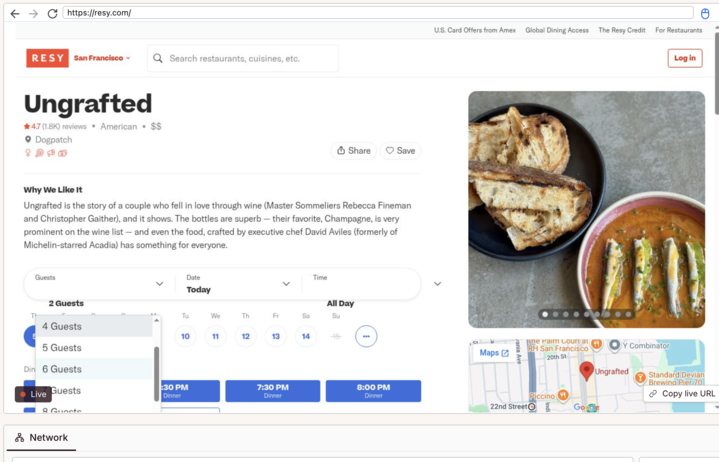
Making Resy reservations from iMessage
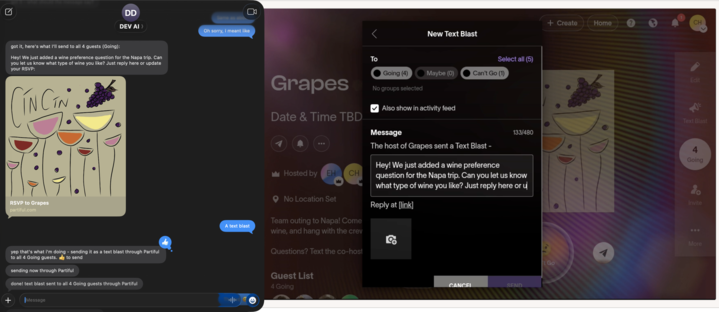
Sending a text blast for a Partiful event from iMessage
This ecosystem of developer tools and APIs is growing extremely quickly. Coding agents are getting so powerful that they can already autonomously write integrations for the long tail of the web. Given this, we expect that the ability for AIs to seamlessly navigate the web is going to quickly become table stakes for anyone building AI agents.
Companies who have built their businesses around walled gardens, such as social media apps and content platforms, are going to need to figure out a way to integrate into this new future, and they likely will be hesitant to accept it. If they don't build rails to support it, they are going to see that consumer startups figure out ways around their walls anyways. Either way, this is the future that is coming.
The internet as we know it today is largely dominated by a few walled gardens (e.g. Meta, Google, etc.). If you roll forward the above assumptions by a few years, you can see glimpses of a very different internet, one that is open and drastically more free of gatekeepers.
These agent integrations are making personal AIs more and more delightful by the month. We believe the rising tide of this infra ecosystem is going to fuel an explosion in demand for companion-like experiences. Thinking through all the new experiences that can be built in this future is fascinating. It really does feel like a whole new world, and we are just getting started.